
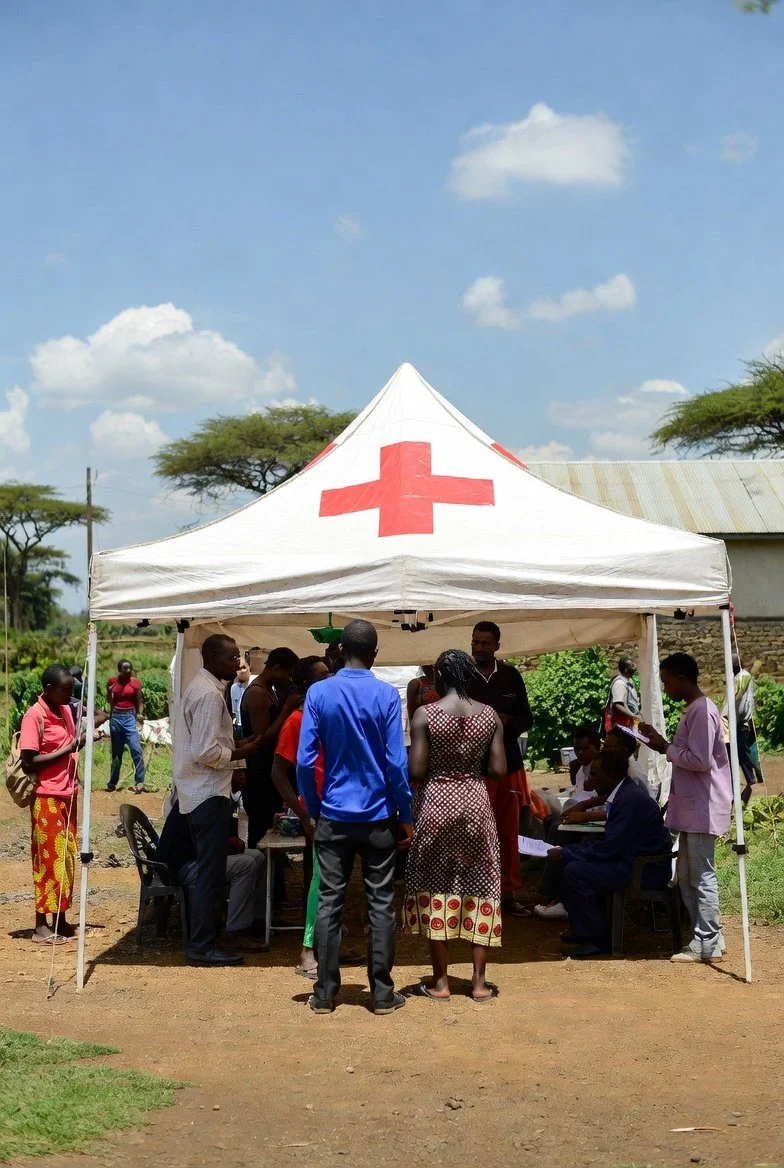
Primary Health Care
The problem
Frontline clinics often lack essential supplies and preventive outreach.
Our approach
Help rural families enroll in national health insurance (SHA/SHIF) and cover premiums for vulnerable households.
Equip primary health facilities with essential tools—oxygen concentrators, solar vaccine fridges, blood pressure machines, glucometers, exam lights, and basic lab and wound-care kits.
Strengthen prevention through health education on maternal health, first aid, diabetes and hypertension screening, nutrition, and substance use.
Improve emergency response by training first responders and providing trauma kits for schools and community centers.
OUR INITIATIVES
About 74% of Kenyans lack health insurance coverage and rely on out-of-pocket payments for care. For families in rural areas, the cost of clinic visits, tests, and medications can be overwhelming, leading many to delay or forgo treatment altogether. This makes even basic health needs—like check-ups or childhood illnesses—financially risky.
The National Hospital Insurance Fund (NHIF) has helped reduce costs for some, but gaps in enrollment, awareness, and access remain. In many communities, people still struggle to reach facilities that offer essential services such as maternal and child health, infectious disease treatment (including malaria, HIV/AIDS, and tuberculosis), vaccinations, and basic emergency care.
Rural health care in Kenya is uniquely challenged by distance, limited transport, and under-resourced facilities. Many areas lack ambulances, and local dispensaries or government hospitals often face chronic shortages of medicines, diagnostic equipment, and staff. High turnover and understaffing mean that even when patients manage to reach care, the services available may be incomplete or delayed.